Understanding Arborists: Knowledge and Expertise That Ensure Your Trees Thrive
Arborists are essential professionals dedicated to the care and maintenance of trees. Their knowledge includes many offerings, from pruning to disease management. This specialized knowledge works to confirm that trees are kept sound and contribute positively to the environment. Understanding what arborists do can shed light on the broader impact of their work on urban landscapes. What specific services do they offer, and in what ways do they profoundly impact tree vitality and the look of the neighborhood?
Arborists: Their Function in Tree Maintenance
Arborists play an essential role in the upkeep and well-being of trees, promoting their strength and lifespan. They are experts in the development, maintenance, and research of trees, hedges, and similar persistent flora. Arborists carry out inspections to check the vitality and stability of trees, pinpointing problems like diseases, pests, and environmental stressors. Through their expertise, they offer vital assistance such as pruning, which encourages sound development and lessens dangers caused by dead or overgrown branches. Additionally, arborists may implement tree planting strategies that improve species richness and improve urban landscapes. Arborists further inform landowners regarding proper tree maintenance, assisting in building a greater respect for the environment. By managing trees effectively, arborists support the natural stability, sustain animal homes, and enhance the aesthetic value of landscapes, making their role essential in both city and country environments.
Essential Training and Qualifications for Arborists
Proper training and qualifications are necessary for those seeking to become an arborist. Usually, a blend of formal education and hands-on experience is required. Many arborists pursue degrees in fields such as forestry, horticulture, or environmental science, which offer basic understanding in tree life and habitat control. Furthermore, focused educational courses and certifications, including those issued by the International Society of Arboriculture (ISA), boost an arborist's qualifications and knowledge.
Obtaining certification usually involves clearing challenging tests that evaluate understanding in tree biology, risk assessment, and tree care practices. Ongoing training is necessary, as tree specialists need to keep current on the latest techniques and optimal care methods. view information about Technical expertise in climbing trees, pruning techniques, and operating machinery are acquired via working under supervision, so that arborists can effectively care for and manage trees in various environments. This combination of knowledge and practice is vital for effective tree management.
Typical Services Offered by Tree Specialists
Tree specialists provide a variety of vital services that support the health and longevity of trees. Key services include methods for trimming trees, managing insects and pathogens, and installation and relocation of trees. All of these services is vital in preserving the health of city and country environments.
Techniques for Tree Trimming
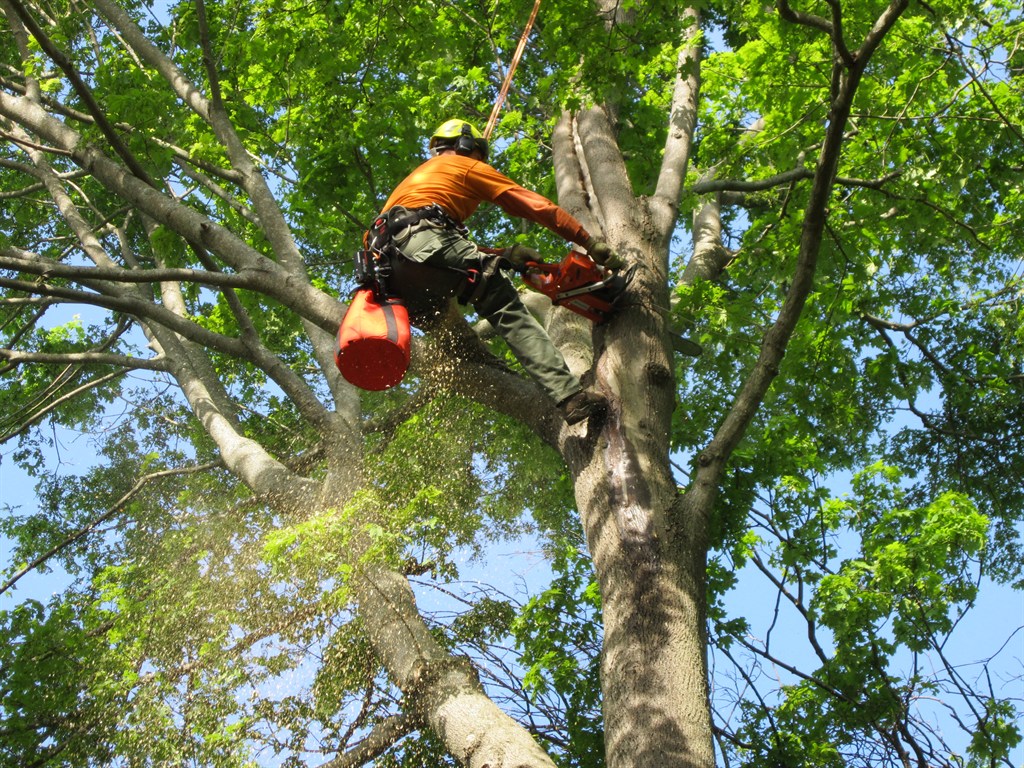
Trimming trees is a necessary procedure that improves their look and well-being while maintaining security. They utilize a range of methods to ensure optimal results. Thinning is done by taking out specific branches to increase sunlight exposure and airflow, encouraging stronger development. Reducing the crown decreases the entire volume of the tree while maintaining its shape, which helps reduce the force of the wind and the potential for failure. The removal of dead or diseased branches, the removal of dead or diseased branches, not only improves aesthetics but also prevents potential hazards. The final step, shaping, includes sculpting trees to preferred outlines, improving their look. Each technique requires skill and knowledge, making sure trees stay robust and vigorous while lessening hazards to structures and individuals. Proper pruning is essential for the longevity of the tree.
Managing Tree Diseases and Pests
Effective pest and disease management is necessary for maintaining the health of landscapes and trees. They are crucial in identifying and mitigating threats posed by insects, fungi, and other pathogens. Arborists perform detailed checks to determine problems and figure out the best ways to treat them. Standard offerings encompass applying insecticides or fungicides, using biological controls, and removing infected plant material to prevent further spread. In addition, arborists give counsel on cultivation methods that enhance tree strength, like appropriate watering, mulching, and fertilization. Through the use of integrated pest management strategies, arborists work to keep trees vigorous and flourishing, contributing to the overall health and aesthetic of the environment.
Tree Installation and Transplanting
Strong trees require more than just pest and disease management but also benefit considerably from appropriate planting and relocation techniques. Arborists are essential for making sure that trees are planted in suitable locations and conditions which encourage healthy development. They examine soil quality, drainage, and light exposure, picking the best species for the location. When transplanting, arborists utilize techniques that minimize root disturbance and stress, guaranteeing a better survival rate. Arborists also suggest the best periods to plant or transplant, most often during dormancy for the best results. Via these specialized services, arborists enable homeowners and landowners to preserve thriving landscapes, enhancing both aesthetic appeal and ecological health. Appropriate planting and relocation practices are crucial for long-lived trees.
Why Pruning and Trimming Matter
Trimming and pruning are crucial activities for preserving the vitality and health of trees. These practices not only boost the beauty of landscapes but are also crucial in lessening safety risks caused by overgrown branches - Florence Arborist. Knowing the significance of these services can lead to healthier, more attractive, and safer outdoor environments
Strengthening Tree Health
Preserving the importance of trees demands careful attention to their structure and growth patterns. Arborists emphasize that pruning and trimming are essential practices for boosting tree vitality. These practices entail taking away dead, diseased, or overly dense branches, which permits better airflow and sunlight penetration. These interventions not only lower the risk of pest infestations and diseases and also foster stronger, more durable growth. Additionally, proper pruning encourages the development of a stable structure, which can prevent storm damage. Regular trimming helps maintain the overall robustness of the tree, ensuring it remains a valuable component of the ecosystem. Ultimately, these practices foster a healthier environment for both trees and the surrounding flora and fauna.
Aesthetic Appeal Improvement
The visual impact of trees in a landscape can be considerably enhanced through strategic pruning and trimming. Arborists play a vital role in this process, employing their expertise to shape trees in a way that promotes aesthetic appeal while ensuring overall health. Regular pruning removes dead or overgrown branches, allowing sunlight to penetrate and air to circulate, which highlights the tree's natural form. Trimming can also encourage a more balanced growth, fostering symmetry and enhancing the tree's visual presence - Florence Arborist. Additionally, well-maintained trees can complement surrounding plants, creating a harmonious landscape. By investing in the aesthetic improvement of trees, property owners not only elevate the beauty of their outdoor spaces but also increase the value of their properties
Safety Risk Mitigation
Strategic pruning and trimming not only enhance the visual appeal of trees but also play a significant role in mitigating safety risks. When branches become overgrown or dead, they pose hazards such as falling debris, which can injure people or damage property. Arborists emphasize the removal of weak or diseased limbs that compromise the tree's stability. Regular maintenance promotes healthy growth and reduces the likelihood of limbs breaking during storms or high winds. Additionally, pruning improves visibility for pedestrians and drivers, minimizing accidents caused by obstructed sightlines. By investing in professional trimming services, property owners can guarantee their trees remain safe and healthy, ultimately creating a secure environment for their families and communities.
Diagnosing and Managing Tree Diseases
Accurately diagnosing and managing tree diseases is crucial for the health of urban and rural landscapes alike. Arborists utilize a combination of observational skills and scientific knowledge to identify symptoms of tree ailments, such as discoloration, wilting, or unusual growths. Experts frequently deploy methods and tools for diagnosis, like soil testing and microbial analysis, to figure out the precise pathogens impacting the trees.
Following diagnosis, effective management strategies are implemented, spanning from cutting off infected parts to administering precise remedies, including insecticides or fungicides. The use of Integrated Pest Management (IPM) is highlighted, which enables a all-encompassing strategy that minimizes chemical use and boosts the trees' ability to recover. In addition, arborists educate property owners about preventive measures, like the right techniques for fertilization, pruning, and watering. By proactively addressing tree diseases, tree specialists ensure the longevity and health of trees, thereby supporting the health of the environment as a whole.
Planting and Establishing New Trees
During the planting and establishment of new trees, selecting the appropriate species for the local conditions is vital for success over time. These professionals suggest reviewing soil type, climate, and space availability to make sure the tree thrives. Appropriate site readiness entails clearing debris, analyzing the soil pH, and improving drainage if necessary.
After the site is ready, planting can commence. Arborists emphasize making the hole twice as wide as the root ball and confirming the tree is planted at the correct depth. Using native soil for proper backfilling enables roots to take hold well.
Providing water is crucial in the initial phase of establishment; the trees need reliable moisture without getting too much water. Putting mulch around the bottom helps retain soil moisture and suppress weeds. Additionally, regular monitoring for pests and diseases guarantees that young trees remain healthy. Following these guidelines encourages strong growth and boosts the total health of newly installed landscape trees.
Safe Tree Removal and Stump Grinding
Stump grinding and safe tree removal constitute crucial services provided by arborists to secure the well-being of surrounding structures and the landscape. Removal of trees may be necessary owing to hazardous placement, damage, or disease near homes and power lines. These professionals employ specific equipment and methods to make sure trees are removed safely, minimizing risks to people and property.
After the tree is cut down, grinding the stump removes the leftover stump, avoiding dangerous tripping hazards and making way for new plants or landscaping. It requires reducing the stump to underneath the soil surface, making the area usable for different uses.
Professional arborists examine the location to figure out the most effective way to remove and grinding, based on factors such as tree size, location, and the nearby landscape. Trusting skilled specialists, homeowners can be sure that tree removal and stump grinding are carried out effectively and securely, preserving the integrity of their landscape.
Frequently Asked Questions
What is the Average Arborist Fee?
Hiring an arborist typically costs from $50 to $150 hourly, influenced by factors such as location, how complex the work is, and the arborist's professional experience. There may be supplementary costs for non-standard work.
What Species of Trees Require Unique Arborist Care?
Specific types of trees, including oaks, maples, and pines, frequently need expert attention from arborists owing to their particular ways of growing, proneness to disease, and unique feeding demands, guaranteeing their long life and vitality in various settings. (Florence Arborist)
(Florence Arborist)
How Often Should I Have My Trees Assessed by an Arborist?
An arborist should evaluate trees a minimum of once per year by a specialist, but more regular checks might be needed for trees that are young or vulnerable. This ensures their safety and well-being throughout the seasons.
Do Arborists Offer Help with Landscaping Plans That Include Trees?
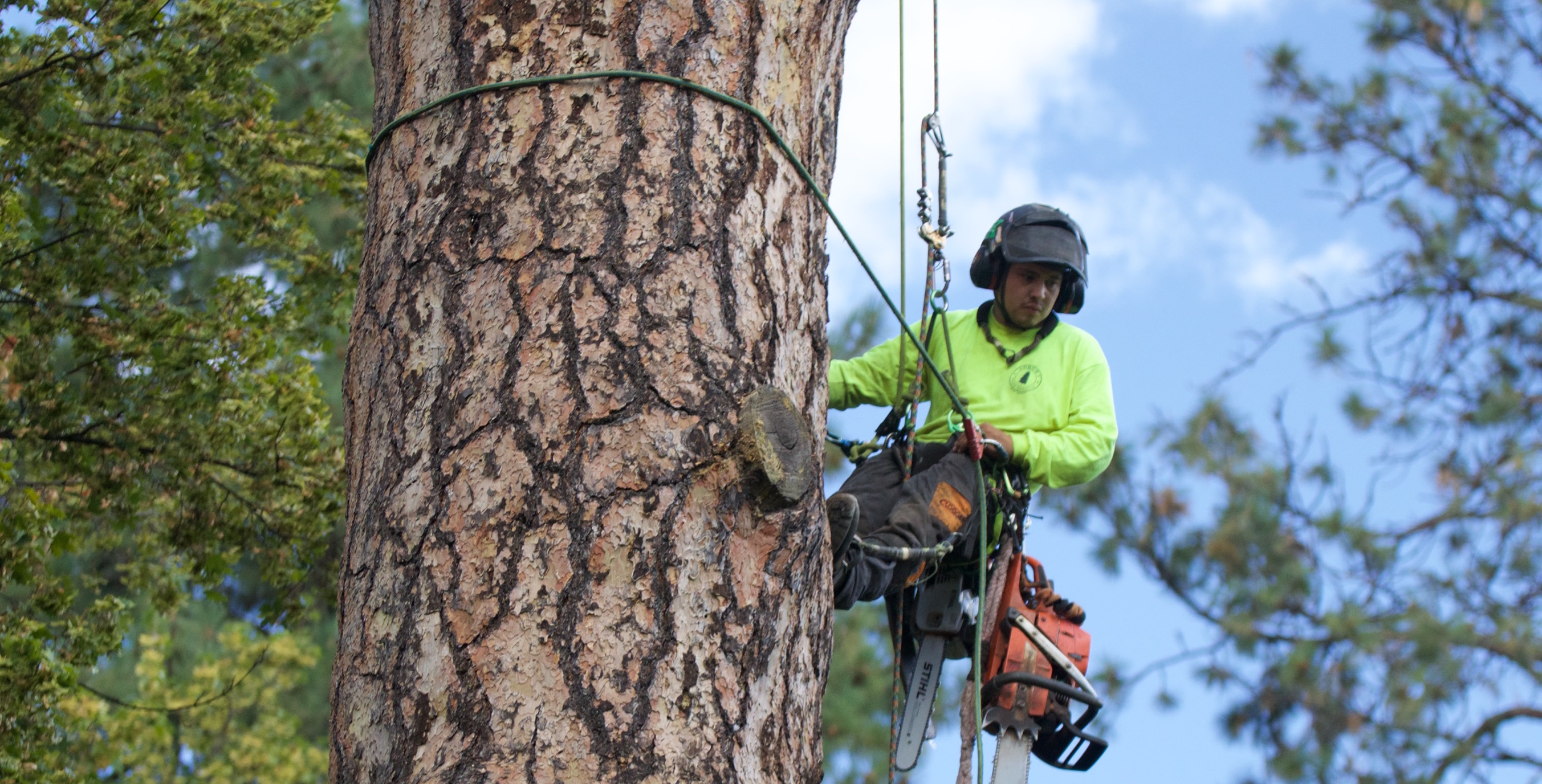
Yes, arborists can assist with landscape planning that includes trees. Their expertise includes picking suitable varieties, assessing how they will grow, and ensuring healthy placements, which improves both the beauty and the natural harmony of the property.
What Should I Do if I Suspect Tree Damage After a Storm?
If you think a storm has damaged your tree, you should evaluate the tree's state, examine the tree for broken parts, and call an arborist for a professional assessment and required care to guarantee safety and health.